Dynamic Regression Discontinuity Design. Regression discontinuity RD design to account for the dynamic nature of bond referenda. We extend the traditional regression discontinuity RD design to account for the dynamic nature of bond referenda since the probability of future proposals depends on the outcomes of past elections.
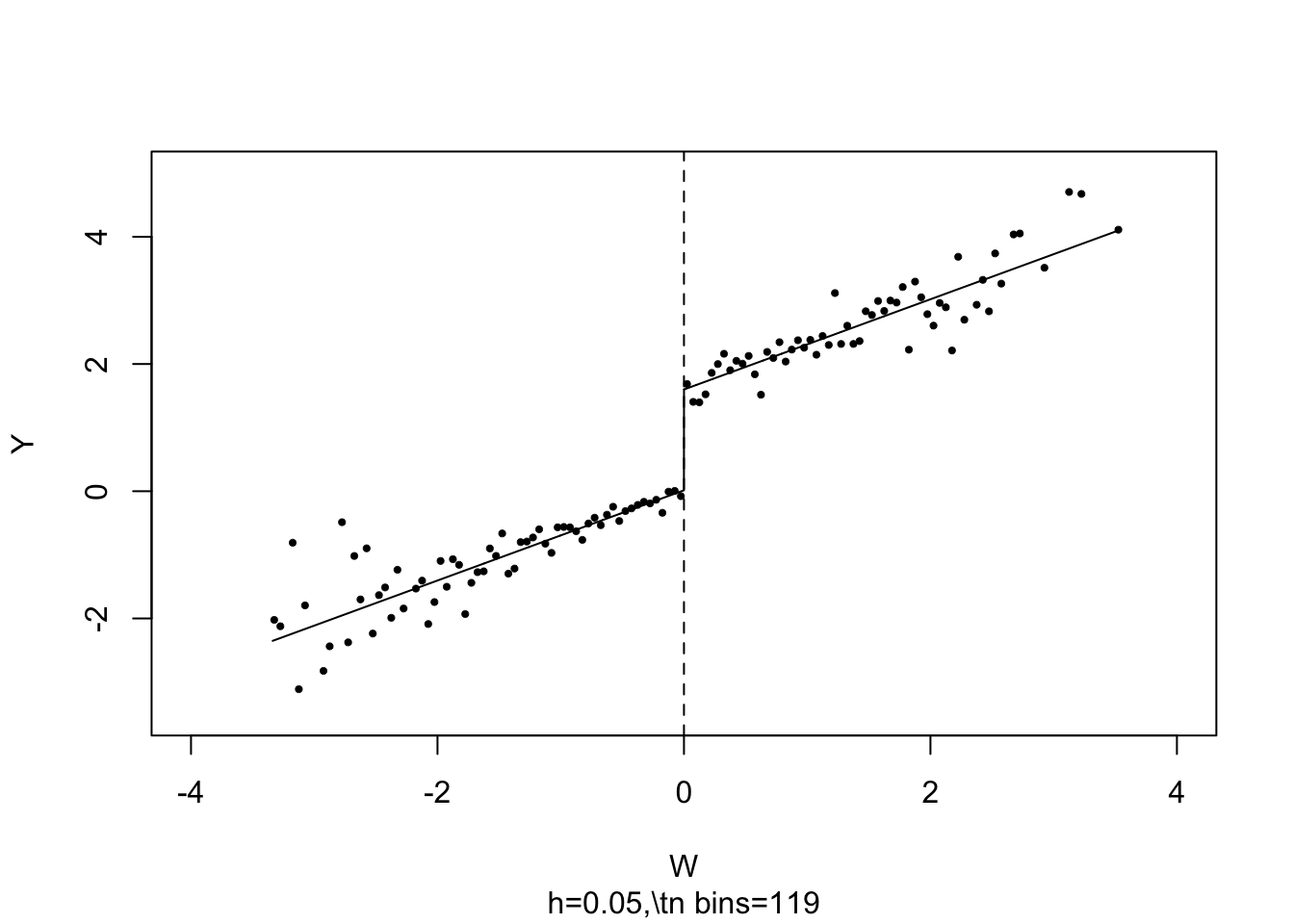
We employ a dynamic regression discontinuity design comparing business outcomes in areas that barely passed additional school property taxes to business outcomes in areas that barely failed to do so. Our research design isolates exogenous variation in investments by comparing school districts where referenda on bond issues targeted to fund capital expenditures passed and failed by narrow margins. Evidence from a Dynamic Regression Discontinuity Design Stephanie Riegg Cellini Fernando Ferreira Jesse Rothstein Appendix A.
Egression Discontinuity RD designs were first introduced by Donald L.
Using our dynamic RD estimator we first show that bond funds stick exclusively in the capital account with no effect on current expenditures or other revenues. We extend this traditional regression discontinuity RD approach to identify the dynamic treatment. The regression-discontinuity design RDD was first considered by Thistle- thwaiteandCampbell1960Despitesomeinitialinterestinthemethoditnever became a very popular design choice Cook 2008. Regression discontinuity RD design to account for the dynamic nature of bond referenda.
